What to Ask About Waste Removal‚ Cleanup and a Tidy Finish to the Job
Before work starts‚ agree on who removes the waste‚ how clean the place will be‚ which protective measures will be used and what the finish includes.
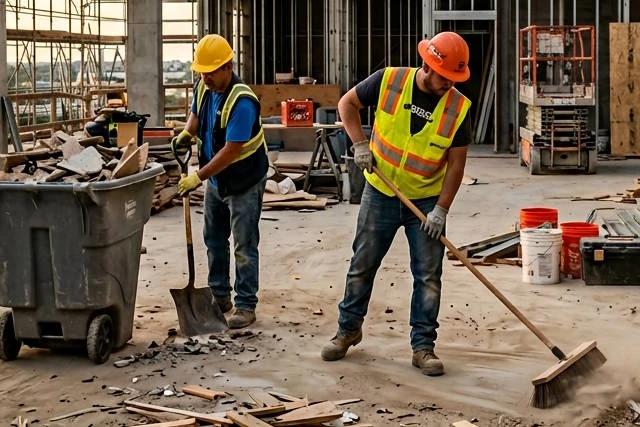
Customers sometimes assume that waste removal and cleanup are naturally included in the work they ordered. However‚ in many cases this is not clearly defined in the price quote or the work agreement. One tradesperson may include basic cleaning as part of the service‚ while another sees it as a separate service. Without clarification in advance‚ the two sides may end up with different expectations. Asking for details beforehand can prevent such situations.
Defining Responsibility for Waste Removal at the End of the Job
Many jobs create varying amounts of waste‚ from leftover building materials to packaging and parts removed during the work. When there is no clear agreement about who is responsible for removing the waste‚ the customer may be left with piles of materials and no convenient way to get rid of them. That is why it is important to ask in advance who is responsible for waste removal and where it will be taken once the work is done. In some cases removal requires a skip or special transport. Clarifying this early can prevent unpleasantness after the job is finished.
Checking the Level of Cleanliness to Expect After the Work
Cleaning after professional work can be defined in different ways depending on the type of job and the tradesperson's own practices. In some jobs cleaning means only collecting coarse debris and leaving the place in reasonable condition. In other jobs it may also include mopping‚ dusting or putting the furniture back in place. When the expected level of cleaning is not defined in advance‚ the two sides may have different expectations. That is why it is worth understanding beforehand how the place will look once the work is complete.
Coordinating the Use of Protective Measures During the Work
During various types of work‚ measures can be used to reduce the amount of dirt and waste created in the surroundings. Protective sheets‚ furniture covers or sealing off certain areas of the home can reduce the need for cleaning later. Asking about such measures in advance helps you understand how the work is planned to be carried out. In addition‚ protective measures can reduce possible damage to floors‚ walls or furniture. Coordinating this early can improve the whole experience of the job.
Reviewing the Final Stages of the Project
Finishing a job is not always just a matter of the tradesperson packing up their tools. Sometimes the result needs to be checked‚ the customer needs an explanation of how to use the new installation‚ or everything needs to be confirmed as working properly. When the final stages are not defined in advance‚ the job may end in a hurry without all the details being checked. That is why it is worth understanding beforehand what the final stage will look like. This kind of information can ensure the work ends in an orderly way.
Documenting the Agreements in the Work Quote
When matters like waste removal or cleaning are agreed verbally‚ there is a chance the two sides will remember them differently later on. That is why it is sometimes advisable to include these details in the work quote or in a written agreement. Such a document can state clearly what is included in the price and what counts as an extra service. When everything is documented in advance‚ it is easier to prevent misunderstandings. Documentation like this also gives both sides a sense of security.
In Summary
Cleanup and waste removal are an important part of finishing any professional job at home or in a business. When this is not defined in advance‚ the customer and the tradesperson may have different expectations. Asking early about responsibility for removal‚ the level of cleaning and the final stages can prevent unpleasantness later. Clear coordination in advance makes it possible to finish the job in a more orderly and pleasant way.