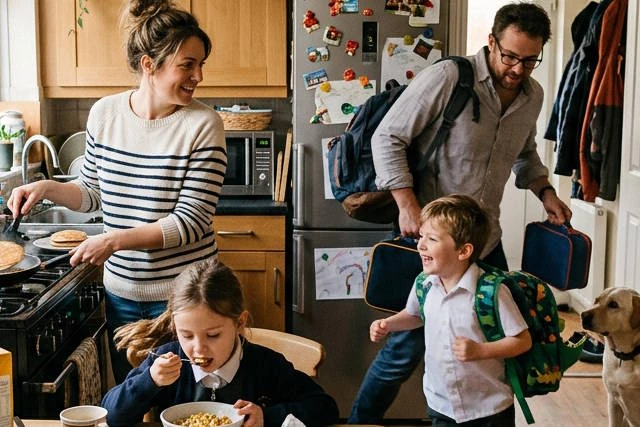
Why don't kids always tell you about their day when you ask?
Kids need time to process their day‚ and direct questions at the door create pressure while relaxed moments and a sense of safety invite them to talk.
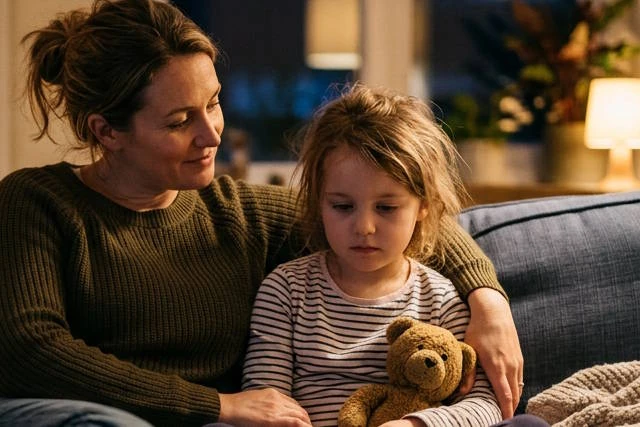
Children sometimes need time to process what they experienced before they can put it into words. When the question comes right after they get home‚ they may still be busy making the shift from the outside setting to the home environment. This shift can involve tiredness‚ emotional overload or a need for a short rest before talking. Once you understand that sharing doesn't always happen right away‚ you can see the response differently. This leads to a deeper understanding of the dynamic between children and parents.
Processing Experiences After a Day at School
A day at school or kindergarten includes many interactions with friends‚ teachers and different situations over many hours. During the day children go through a wide range of feelings and thoughts that are not always easy to describe right away. When they come home‚ their minds are still busy processing those experiences. This processing can take time‚ so sharing doesn't happen the moment a question is asked. Understanding the process lets you see the response as a natural part of emotional development.
The Pressure Created by Direct Questions
When children are asked directly how their day went‚ some may experience the question as a request for a full and accurate answer. This feeling can create a little pressure that makes it hard for them to choose what to tell out of everything that happened. Instead of picking certain details‚ they may give a short answer that ends the conversation quickly. This doesn't necessarily mean they want to hide something. Sometimes it is simply hard to choose where to begin the story.
Natural Moments for Sharing During the Day
Many children share their experiences at unexpected moments that have nothing to do with a direct question. A conversation that develops during play‚ a shared meal or an everyday activity can open the door to more spontaneous sharing. At such moments children don't feel they have to give a formal answer to a question. The relaxed atmosphere lets them remember details and talk about them naturally. This way the conversation develops more organically.
How a Sense of Safety Affects Willingness to Share
When children feel that home is a place where they can share experiences without fear of criticism or judgment‚ they tend to share more over time. A sense of safety grows when the conversation moves at a pace that suits the children themselves. When parents listen and respond calmly‚ children feel comfortable adding more details. This kind of safety develops gradually over time. It is not created by a single question.
How a Family Conversation Style Develops
Over time every family develops a unique conversation style that shapes how household members share their experiences with each other. Some families are used to long and detailed conversations‚ while others share details more gradually. When the family style allows flexibility‚ children can choose when and how to talk about what happened to them. This approach lets conversations develop more naturally. It creates communication based on mutual comfort.
In Summary
The fact that children don't always share right away when asked about their day is not necessarily a sign of hiding something or of distance. Often it is a natural process of working through experiences and looking for the right moment to talk. When the atmosphere allows sharing at a relaxed pace‚ children may tell more over time. Understanding this dynamic can strengthen communication within the family.