How to Tell in Advance That a Job Will Take Far Longer Than Promised
An overly optimistic time estimate is a warning sign‚ and a breakdown of stages‚ a plan for surprises and comparing estimates all help you foresee delays.
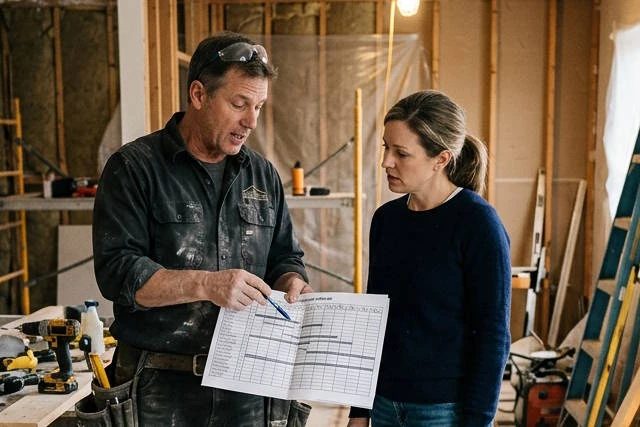
Sometimes an especially short time estimate is given out of a wish to make a good impression and make the job look simple and quick. When a tradesperson presents a particularly optimistic schedule without detailing the stages of the work or the possible challenges‚ the estimate may not reflect reality. In such cases it is worth asking more questions and trying to understand how the duration of the work was calculated. Understanding the process and its different stages can help you judge whether the initial estimate is reasonable. With a fuller picture‚ it becomes easier to spot cases where the time given seems too short for the complexity of the job.
Checking the Breakdown of the Expected Work Stages
One sign that a time estimate is inaccurate is the lack of a breakdown of the different stages of the work. When a tradesperson gives only a general timeframe without explaining which tasks are needed along the way‚ it is hard to understand how they arrived at that estimate. Many jobs include different stages such as dismantling‚ preparation‚ installation and a final check of the result. Each of these stages can take a significant amount of time on its own. When the breakdown is missing‚ the overall estimate may not take into account all the work required.
Allowing for the Possibility of Unexpected Problems
Many construction‚ repair and installation jobs involve elements that cannot always be fully predicted in advance. Sometimes hidden problems in the walls‚ the infrastructure or the structure itself are discovered only after the work has begun. When a time estimate makes no allowance at all for such delays‚ it may be too optimistic. An experienced tradesperson usually mentions upfront that unforeseen factors may also affect how long the work takes. When there is no such mention‚ it is worth asking how unexpected situations will be handled.
Comparing with Time Estimates from Other Professionals
When you receive a work quote that includes a time estimate‚ it is sometimes worth comparing it with estimates from other tradespeople. If one professional gives a much shorter duration than the others‚ their estimate may not reflect the full complexity of the job. A comparison like this can help you understand what a reasonable timeframe for the work is. It also gives you a broader perspective on the whole process. This kind of information can help you make an informed decision.
Looking at the Tradesperson's Workload
The duration of a job depends not only on the complexity of the task itself but also on the tradesperson's schedule. When a professional is working on several projects at the same time‚ the job may not be carried out continuously. In such cases the work can drag on beyond what was originally promised. That is why it is important to understand whether the tradesperson plans to work on the job continuously or on and off. This kind of information can affect your overall estimate of how long the work will take.
Clarity About Start and Finish Dates
Sometimes a time estimate is given in general terms such as a number of days or weeks without defining when the work is actually expected to start. Without a clear start date‚ it is hard to know when to expect the job to be finished. This can create a gap between the customer's expectations and the tradesperson's real schedule. Clearly defining a start date and the duration of the work can prevent misunderstandings. When the details are set in advance‚ it is easier to follow the progress of the work.
In Summary
The time estimate for a job can be a major factor in deciding whether to hire a particular tradesperson. When the estimate does not include a breakdown of the work stages‚ an allowance for possible delays or information about the actual schedule‚ it may not be accurate. Asking more questions and comparing several quotes can help you understand what a reasonable timeframe for the job is. This approach lets you prepare better and avoid disappointment later on.