What should you know about acoustics before choosing an event hall?
The shape of the space‚ the wall and ceiling materials‚ the stage position and the sound system decide whether speech and music sound clear in a hall.
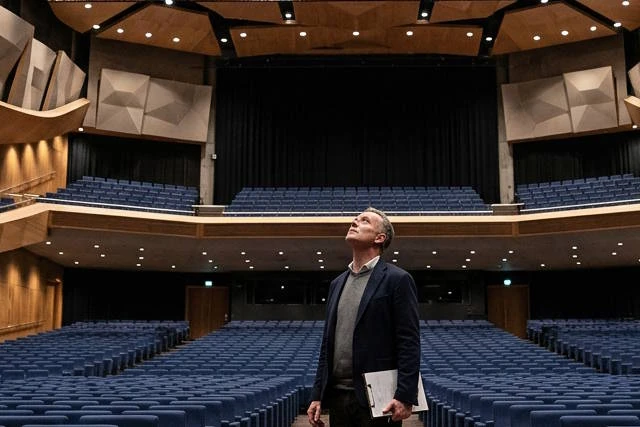
Sound behaves differently in every space depending on the materials of the walls‚ ceiling and floor. Large halls with very hard surfaces can create echoes that make speech and speeches hard to follow. In contrast‚ spaces with sound-absorbing elements can create a more pleasant listening experience. When the acoustics are not well planned‚ many guests may struggle to follow what is said during the event. That is why it is important to consider this issue from the moment you start choosing a venue.
How the Shape of the Space Affects Sound
The structure of the hall affects how sound waves move through the space and reach the guests. Very high or especially long spaces can cause sound to reach different parts of the audience with a certain delay. This can create uneven hearing between different areas of the hall. When you look at a venue for an event‚ pay attention to the overall structure of the space. Matching the size of the space to the type of event can improve the listening experience.
Interior Materials and Sound Absorption
The materials inside the hall greatly affect the quality of the sound heard there. Hard surfaces such as concrete or glass reflect sound and can create relatively strong echoes. In contrast‚ softer materials such as curtains‚ carpets or acoustic panels can absorb some of the sound and prevent excessive reflections. When the space has the right mix of materials‚ sound is clearer and more pleasant. Checking the interior elements can give clues about the quality of the acoustics in the venue.
Stage Position Relative to the Audience
The position of the stage or main speaking point also affects how sound spreads through the space. When the stage is placed so that sound is distributed evenly‚ it is easier to hear the speakers in every part of the hall. In contrast‚ a position that doesn't suit the structure of the space can create areas where the sound is weak or muffled. That is why it is important to see how the stage is placed in relation to the audience and the sound system. The right setup can improve the listening experience for every guest.
Checking the Sound System as Part of the Overall Picture
Even when the acoustics of the hall are fairly good‚ the sound system plays an important role in delivering clear sound. A high quality system can spread sound in a balanced way and make sure every guest hears what is happening on stage. At the same time‚ a sound system cannot fully solve serious acoustic problems. That is why it is important to evaluate both elements together and not rely on just one of them. The right combination of a suitable space and quality sound equipment gives a better result.
How the Number of Guests Affects Sound Quality
The number of guests at an event can also affect the acoustics of the space. When a hall is full of people‚ their bodies and clothing absorb some of the sound waves and change how sound spreads. In many cases an empty hall sounds very different from the same hall when it is full. That is why it is important to take the expected number of guests into account when you check out the venue. Matching the size of the hall to the number of guests can improve the overall listening experience.
In Summary
Acoustics is a major factor in how guests experience an event‚ especially when there are speeches‚ music or performances during the evening. The structure of the space‚ the interior materials and the stage position all affect sound quality. Checking these elements early can prevent sound problems during the event. When you choose a hall with acoustics in mind‚ you can create a more pleasant and clearer experience for every guest.