How choosing a host or lead figure changes the feel of an event
The host or lead figure shapes the atmosphere of an event through their style‚ the pace of hosting and the emotional connection they build with the audience.
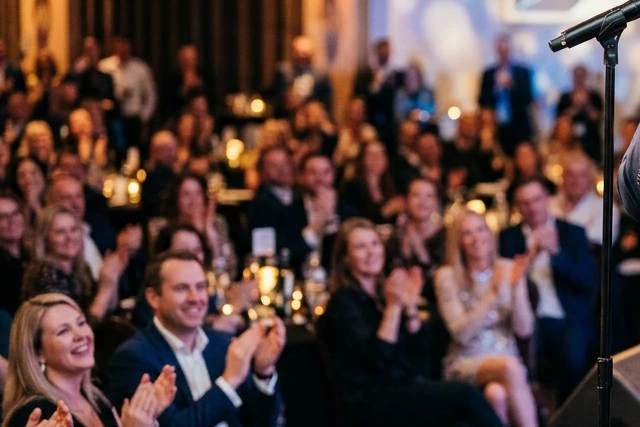
The host is sometimes seen as a purely technical role whose job is to announce the different parts of the event and call people up to the stage. In practice‚ however‚ this is a figure who shapes the atmosphere through their voice‚ style and ability to connect with the audience in the room. When the host manages to create a sense of ease and keep a natural pace between parts of the event‚ guests feel the evening runs more harmoniously. In contrast‚ when the style doesn't suit the audience or the nature of the event‚ a sense of distance or lack of flow develops. The right choice can therefore affect how the whole event is seen by the guests.
The Lead Figure as the Audience's Focus of Attention
At many events the audience naturally looks for a point of reference that provides guidance and a framework for the evening. When there is a clear lead figure‚ guests know whom to listen to and when the transition between parts of the event happens. This creates a sense of order even when the event includes many activities or a fairly large audience. A host who holds the audience's attention lets people feel part of a shared experience. This feeling adds to a more pleasant overall atmosphere throughout the event.
Choosing a Style That Suits the Guests
The hosting style greatly affects how guests experience the event. A host with a very energetic style can suit events meant to create excitement and active audience participation. In contrast‚ more formal events sometimes call for a restrained approach that respects the setting and the guests. When the style doesn't match the nature of the event‚ the audience may feel uncomfortable. Matching the style to the type of event creates a more natural experience for the guests.
How Hosting Pace Affects the Flow
Many events include different stages such as speeches‚ performances or activities that take place at different times during the evening. When transitions between stages aren't managed well‚ long moments of waiting or confusion arise in the audience. A host who manages the pace precisely can reduce such situations and create a clear sequence between parts of the event. The right pace keeps interest up and prevents a feeling of overload or fatigue. This creates a smoother experience throughout the evening.
Building an Emotional Connection Between the Audience and the Event
Beyond the technical management of the event‚ a good host can create an emotional connection between the guests and what is happening on stage. With the right words and tone‚ important moments during the event can be given deeper meaning. This connection makes guests feel more involved and strengthens their sense of belonging to the event. When such a feeling develops‚ many of those present see the event as a more meaningful experience. This way even small moments can take on greater value in the eyes of the guests.
Matching the Lead Figure to the Event's Goals
Every event is created for a certain purpose‚ whether it is a celebration‚ a launch or a community gathering. The figure leading the event should fit that purpose and convey the main message naturally. When the choice is made with the event's goals in mind‚ a clearer framework can be created for all the activity that takes place during it. Such a match helps keep consistency between different parts of the evening. The result is an event that feels more complete and harmonious for the guests.
In Summary
Choosing a host or lead figure is not only a technical decision but a significant factor that affects the atmosphere and flow of an event. The figure leading the evening creates a clear framework for the guests and helps keep continuity between different parts of the program. When the style‚ pace and approach suit the nature of the event‚ the audience gets a more pleasant and connected experience. That is why this choice should be treated as a central part of planning the entire event.