Do you really need a tablet on top of your phone and computer?
Before buying a tablet‚ check how it fits into your routine next to your phone and computer: screen size‚ portability and real uses.
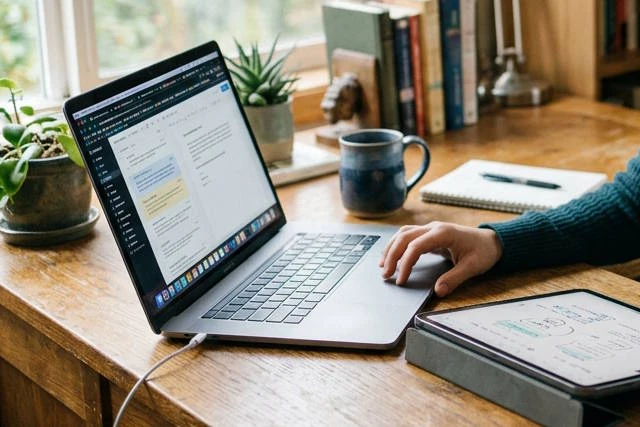
A tablet is sometimes seen as a natural extension of the devices you already own‚ but in practice it is worth checking how it fits into your daily routine. If most of your digital tasks happen on the phone while on the move and on the computer while working‚ a tablet may not add much value. On the other hand‚ there are situations where the larger screen and portability create a different user experience. Understanding the pros and cons can help you decide whether the extra device is really necessary.
Differences in Screen Size and Reading Comfort
One of the standout advantages of a tablet is its screen size‚ which makes reading texts‚ e-books and long articles more comfortable. When you use a phone to read content for long periods‚ the small screen can cause eye strain or constant scrolling. A tablet offers a wider display that shows more information at any given moment. This advantage matters most for people who spend a lot of time reading or watching content. That is why screen size is one of the key factors in the decision.
Device Portability Compared to a Computer
A laptop offers advanced work capabilities‚ but it is not always convenient to use anywhere. A tablet is lighter to carry and gives quick access to content even when no desk is available. For users who spend a lot of time on the move or traveling‚ this portability can be a significant advantage. On the other hand‚ when most work is done in a fixed place‚ a computer may cover all needs. That is why it is important to look at the nature of everyday use.
Unique Tablet Uses in Certain Situations
There are areas where a tablet offers special advantages that a phone or computer do not always have. For example‚ watching movies or series can be more comfortable on a mid-sized screen held in the hand or placed on a small table. Activities such as digital drawing or writing with a stylus are also often easier on a tablet. For users who do these things‚ the device can open new possibilities. In other cases this advantage matters less.
How an Extra Device Affects Your Daily Routine
When you add another device to your personal digital setup‚ you also need to manage syncing between the different devices. Files‚ apps and messages need to be available on every device in an orderly way. For some users this creates convenience‚ but for others it may add unnecessary complexity. That is why it is important to check how the tablet fits into your existing system. A good fit can improve the overall user experience.
Financial Considerations Before Buying Another Device
Buying a tablet involves an additional expense on top of the devices you already have. Before deciding‚ consider whether the advantages the device offers justify the investment. When expected use is fairly limited‚ the phone and computer may be enough for most needs. However‚ if the tablet is likely to be used regularly for different activities‚ the investment may pay off. This kind of review helps you make a more informed decision.
In Summary
Whether you need a tablet depends mainly on how you use your existing digital devices and the kinds of activities you do during the day. For some users it offers significant advantages in reading comfort and portability. For others it may be an addition that does not really change their routine. Reviewing your personal needs can help you decide whether the extra device is truly necessary.