Is a New Building Always Better Than an Older‚ Well-Maintained One?
A building's age is only part of the picture‚ and construction quality‚ maintenance over the years‚ management and location affect quality of life just as much.
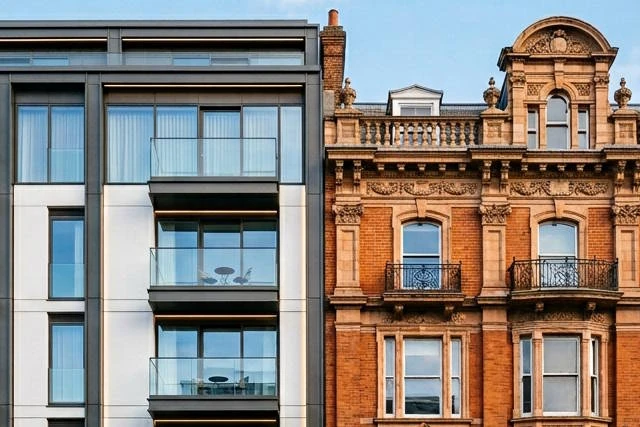
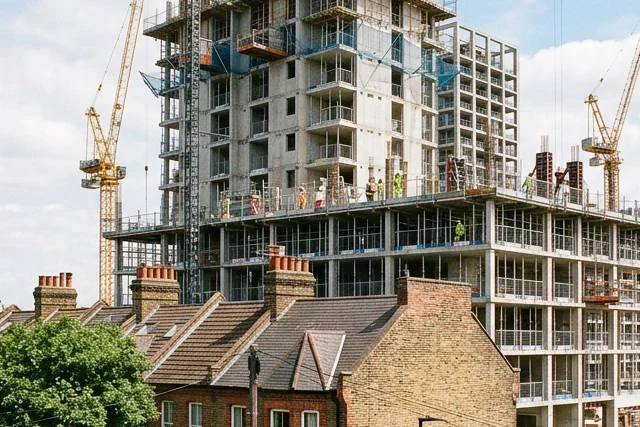
People sometimes focus only on the age of a building and ignore other factors that affect quality of life. The quality of construction‚ the upkeep of the structure and how the building has been managed over the years can be just as important as the year it was built. A new building put up quickly or without attention to certain details may show problems after a few years. On the other hand‚ an older building that has been maintained and renovated can stay in excellent condition for a long time. That is why it is important to look at the overall picture and not just the age of the building.
Design Features of New Buildings
New buildings are usually designed according to up-to-date construction and urban planning standards. Many apartments include improved insulation‚ proper parking and sometimes shared facilities such as gyms or common areas. These advantages can improve residents' quality of life and create a more comfortable living environment. In addition‚ new buildings are sometimes built to modern safety standards suited to today's reality. Features like these can matter to people looking for a contemporary living environment.
Possible Advantages of Older Buildings
Many older buildings were built at a time when a lot of attention was paid to apartment sizes and to the space between buildings. Apartments in such buildings can be more spacious than apartments in new construction. In addition‚ older neighborhoods often have established infrastructure such as public gardens‚ schools and community services. An environment like this can be stable and pleasant to live in for many years. That is why an older building is not necessarily of lower quality in terms of the living experience.
The Quality of Maintenance Over the Years
Regular maintenance of a building significantly affects its physical condition and the residents' quality of life. An older building that has undergone renovations and upgrades over the years can be in very good shape in terms of infrastructure and systems. On the other hand‚ a new building that is not well maintained can deteriorate relatively quickly. That is why it is important to check how the building is managed and what level of ongoing maintenance it receives. This kind of information can give a more reliable picture of the property's condition.
How a Building's Location Affects Quality of Life
Sometimes the location of a building matters more than its age or its outward appearance. Many older buildings are located in central areas with easy access to public transport‚ schools and municipal services. New buildings may be built in new neighborhoods that are still being developed. This can affect access to various services during the first years. That is why it is important to weigh the building's location as part of the overall decision.
Financial Considerations When Choosing Between New and Old
Apartment prices in new buildings are sometimes higher than in older buildings in the same area. This gap sometimes comes from the marketing of new projects and the demand for modern construction. However‚ when looking at the total cost over time‚ it is worth also considering maintenance and management expenses. Some buildings include shared services that require relatively high management fees. That is why it is important to understand the financial implications of the choice.
In Summary
A new building is not automatically the best choice‚ and an older building is not necessarily of lower quality. Construction quality‚ the level of maintenance‚ the property's location and the financial costs are all important factors in the decision. When you look at all these aspects together‚ you can better understand which type of building suits your needs. A broad assessment like this makes it possible to make a more considered decision about buying a property.