The sign that your dough needs more time‚ not more flour
Soft and sticky dough doesn't always lack flour‚ since the gluten network may just need more kneading‚ a short rest or proofing to change the texture.
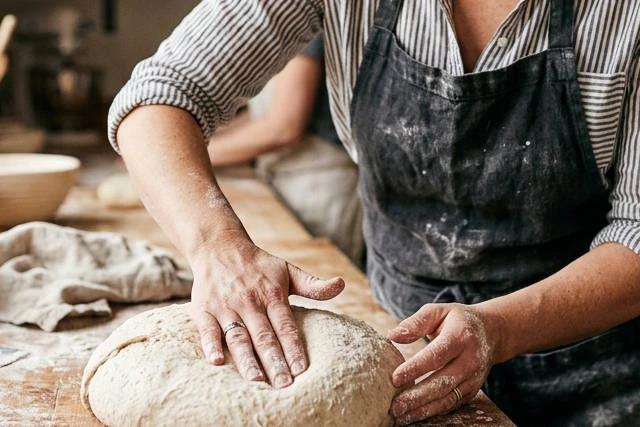
Sometimes while making dough you may worry that the soft texture means you got the amount of flour or liquid wrong. If you quickly add flour to fix the problem‚ there is a chance the dough will become too dry or hard to work with. In many cases‚ more rest or more kneading can change the texture naturally. Chemical and physical processes take place in the dough while you work it‚ and they affect its structure. That is why it is important to understand how time affects the texture of dough.
How the Gluten Network Develops During Kneading
When you knead dough made with wheat flour‚ a network of proteins called gluten gradually forms. This network is responsible for the elasticity and structure of the dough‚ and it develops gradually as you knead. At the start the dough may feel fairly sticky and soft because the gluten is not yet fully developed. As kneading continues‚ the structure strengthens and the dough becomes more elastic. Adding flour too early can interfere with the natural development of gluten.
A Short Rest as an Important Stage in Working Dough
After the first kneading‚ it is sometimes recommended to let the dough rest briefly before you continue working it. During the rest the flour absorbs liquid more fully and the texture of the dough gradually changes. This process can reduce stickiness without adding more flour. When you wait a little before continuing to knead‚ you can see the dough become easier to work with. A short rest is a natural part of the process.
Checking the Texture Instead of Relying Only on Feel
How dough feels in your hands while kneading can be affected by many factors‚ including room temperature and humidity. Slightly sticky dough is not necessarily a sign that you need to add more flour. Sometimes a slightly moist texture actually helps the dough develop better during proofing. When you also look at elasticity and how well the dough stretches‚ you can better understand its real condition. Combining feel and observation can lead to a better decision.
The Role of Proofing in Changing the Dough's Structure
After the first kneading comes proofing‚ when the yeast starts working inside the dough. During proofing gases form that expand the inner structure of the dough and change its texture. At this stage too the dough may become softer‚ but also more elastic and airy. If you add flour too early‚ the structure may be denser after baking. Understanding the proofing process can prevent hasty decisions during preparation.
Patience as a Key Ingredient When Working With Dough
Working with dough sometimes requires patience and an understanding of the processes that take place in it over time. A texture that isn't perfect at the start may change naturally after more kneading or a short rest. When you give the dough time to develop‚ you can get a softer and airier result after baking. Adding flour too early can harm the quality of the final bake. That is why it is important to let the process unfold at the right pace.
In Summary
Sticky dough is not always a sign that you need to add more flour. Sometimes it is a natural stage in the dough's development during kneading and resting. Understanding processes such as gluten formation and proofing can improve the final result. Patience and attention to the process help you reach a more balanced and better quality dough.